 Before you check out the following items, please click here first to grab the Sciencebase newsfeed. I’ll be updating the melamine news over the next few days, and the RSS newsfeed system allows you to keep up to date with the Sciencebase site without having to check back by adding our headlines to your Google account, My Yahoo, Bloglines or your active bookmarks in your browser.
As the melamine in milk products from China problem continues to grow apace, Sciencebase presents a succinct list of melamine contaminated food list culled from the most recent news results on the subject. This is by no means an exhaustive list nor is it a condemnation of any particular products, it’s here merely to raise awareness of what is happening with regard to the melamine in milk scandal.
- Powdered baby milk.
- HK finds melamine in Chinese-made cheesecake.
- Cookies With Melamine Found in Netherlands.
- Mr Brown coffee products.
- Manufacturing giant Unilever recalls melamine tainted tea. CNN is also reporting that the Hong Kong authorities Sunday (October 5) announced that two recalled candy products made by British confectioner Cadbury had high levels of melamine.
- Melamine Detected in Two More Ritz Snacks.
- More Chinese-made sweets recalled in Japan.
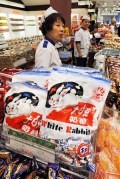
- White Rabbit brand Chinese candy contaminated: Asian health officials.
- Lipton, Glico and Ritz the latest businesses to be affected by milk powder scandal.
- Hong Kong finds traces of melamine in Cadbury products.
- Recalled Melamine Milk Products include Asian versions of Bairong grape cream crackers, Dove chocolate, Dreyers cake mix, Dutch Lady candy, First Choice crackers, Kraft Oreo wafer sticks, M&Ms, Magnum ice cream, Mentos bottle yoghurt, Snickers funsize, Yili hi-cal milk, Youcan sesame snacks and others. Testing of some of those has already proven negative.
- Melamine Found in More China-Made Products, including Heinz DHA+AA baby cereal.
- 305 Chinese dairy-based products temporarily banned in Korea.
- US bloggers have gone so far as to uncover dozens of products recalled in China that were still on the shelves of their local supermarkets.
- 31 new milk powder brands found tainted.
Just for the record, this is not, as was suggested on a couple of blogs linking here, a definitive, complete list. I will update it as and when new information comes to light. Check out the previous posts for more information in the background to this news story and for further discussion on the issues surrounding the melamine in milk products scandal: Melamine Scandal Widens and (2008-09-29) Milky Melamine.