I’ve talked about warblers before. Basically, the warblers are a non-scientific grouping of similar birds. In the UK, we often see and hear a variety of warblers, mostly summer visitors, among them Blackcap, Cetti’s Warbler, Chiffchaff, Garden Warbler (Sylvia borin), Grasshopper Warbler, Great Reed Warbler (occasionally), Lesser Whitethroat, Reed Warbler, Sedge Warbler, Whitethroat, and Willow Warbler.
I headed to RSPB Fen Drayton Lakes nature reserve on a promise of Arctic Terns as a big influx had been reported on Tuesday, some 36, arriving in two waves, 29 and then 7, from Grafham Water. This is a huge number for one inland patch, especially in East Anglia.
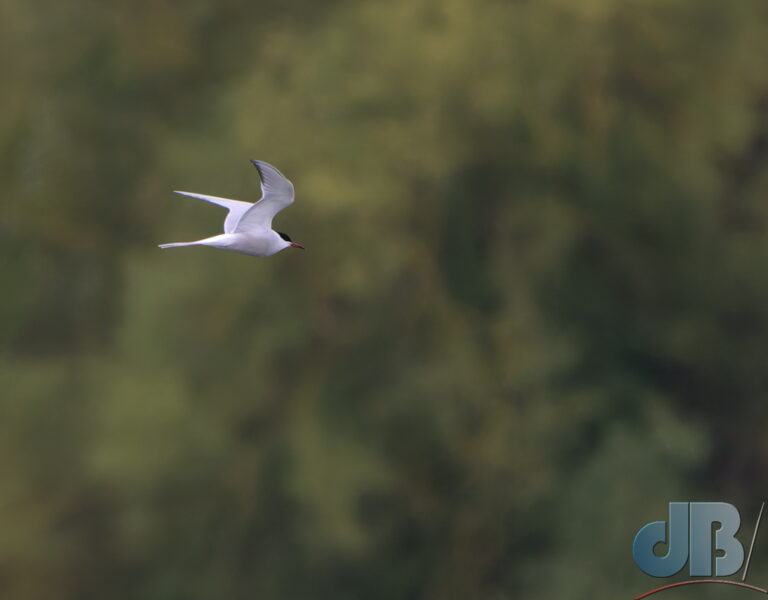
More often, we’d have Common Terns and only a sporadic appearance of single figures Arctic. I had alerted the local birding community to a Sandwich Tern on 17th April 2024. A relative rarity that unusually stuck around for several days at the reserve. We also get Black Tern on these lakes.
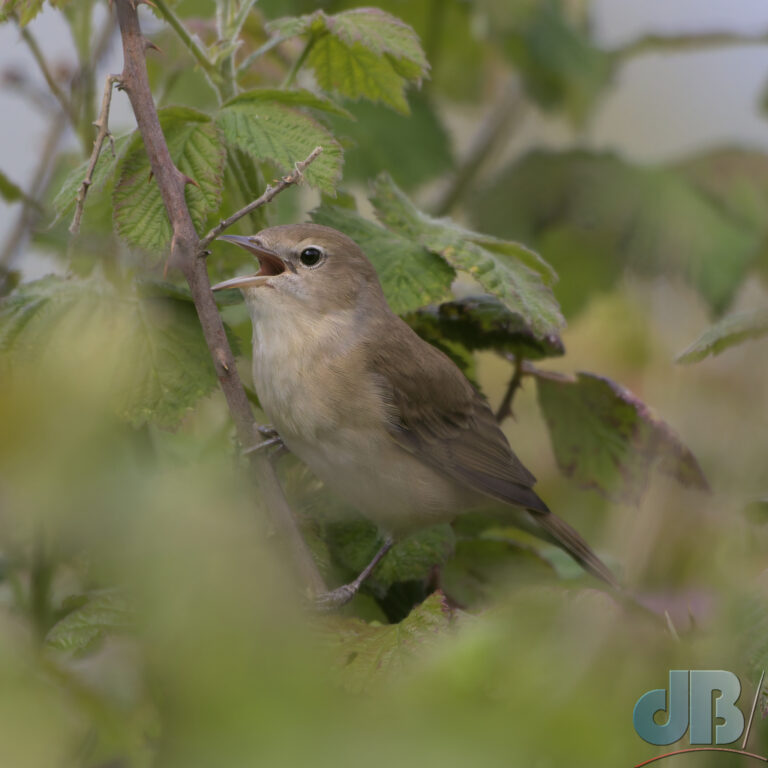
Anyway, I saw just a few of the Arctic Terns on the water. However, a nice patch facing out over Ferry Lagoon fringed with some very noisy trees and bushes had Garden Warbler and Sedge Warbler calling noisily alongside Chiffchaff, Lesser Whitethroat, and Willow Warbler. There were several of each species. There were also two or three Cuckoo calling from far off trees. That aside, I got a shot of one of the Garden Warblers. I thought it was my first attempt at photographing this bird, but I discovered that I had photos of it in the warbler post from 2022.
At least 43 birds on sight or sound this morning:
- Arctic Tern
- Blackbird
- Black-headed Gull
- Blue Tit
- Bittern
- Carrion Crow
- Chaffinch
- Chiffchaff
- Common Tern
- Coot
- Cormorant
- Cuckoo
- Dunnock
- Garden Warbler
- Goldcrest
- Goldfinch
- Great Crested Grebe
- Great Tit
- Greenfinch
- Green Woodpecker
- Greylag Goose
- House Martin
- Kestrel
- Lesser Whitethroat
- Long-tailed Tit
- Magpie
- Mallard
- Marsh Harrier
- Moorhen
- Mute Swan
- Pheasant
- Robin
- Rook
- Sand Martin
- Sedge Warbler
- Song Thrush
- Starling
- Swallow
- Swift
- Whitethroat
- Willow Warbler
- Wood Pigeon
- Wren
Footnote: We do see Grasshopper Warblers (Groppers) locally, but I didn’t today. Dartford Warbler was seen a couple of summers ago, but a fairly rare sight. I’ve seen the rather rare Wood Warbler, but not in the UK, it was up the hill in Split, Croatia, back in 2017 before we drank all that dark ale on the way down and had catfish and chips for tea.
More about the British warblers on the BBC Countryfile site here.