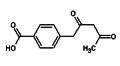
 Spam comes in all shapes and forms, so I am always suspicious when two emails identical in content and with attachments arrive that purport to be from two different correspondents. However, two such messages arrived this morning one claiming to come from a Dr Suhasini Bhatnagar, the other from Aarif Khatri. Normally, I’d let my spam filter do its job and trash such messages, but my interest was piqued by the subject line, which read “help regarding synthesis”. Often spam arrives with two random words stuck together that are supposed to beat spam filters, but three is rare and even less frequent are subject lines that make logical sense and simultaneously are pertinent to my interests.
So, I read on…
This is what Dr Bhatnagar (and presumably his chemistry supervisor, Prof Khatri) had to say:
“I was looking for help regarding the organic synthesis of a compound…I am doing My DSc from Agra University and the first part of work lasting now for past 3 years was involving Bioinformatics and its now that i need to synthesise the organic diketone type of compound [4-(2,4-dioxopentyl)benzoic acid] and I do not know how. Can you please help me design a simple reaction wherein I can get a few grams of the compound. I have very very limited resources and also knowledge in the subject. Your help would be greatly appreciated.”
Now, it is too far in the dim and distant past when I last did a retrosynthetic analysis, so I’m going to duck out of taking up his offer, but I wondered whether any Sciencebase readers could shed any light on the relevance of this compound and whether or not a total synthesis would be readily accessible. Your comments may also enlighten me as to whether these emails were nothing more than an intricate social engineering endeavour and that I’ve been duped into responding in this way.
I hope not.